We optimised dating for discovery and destroyed the conditions for depth
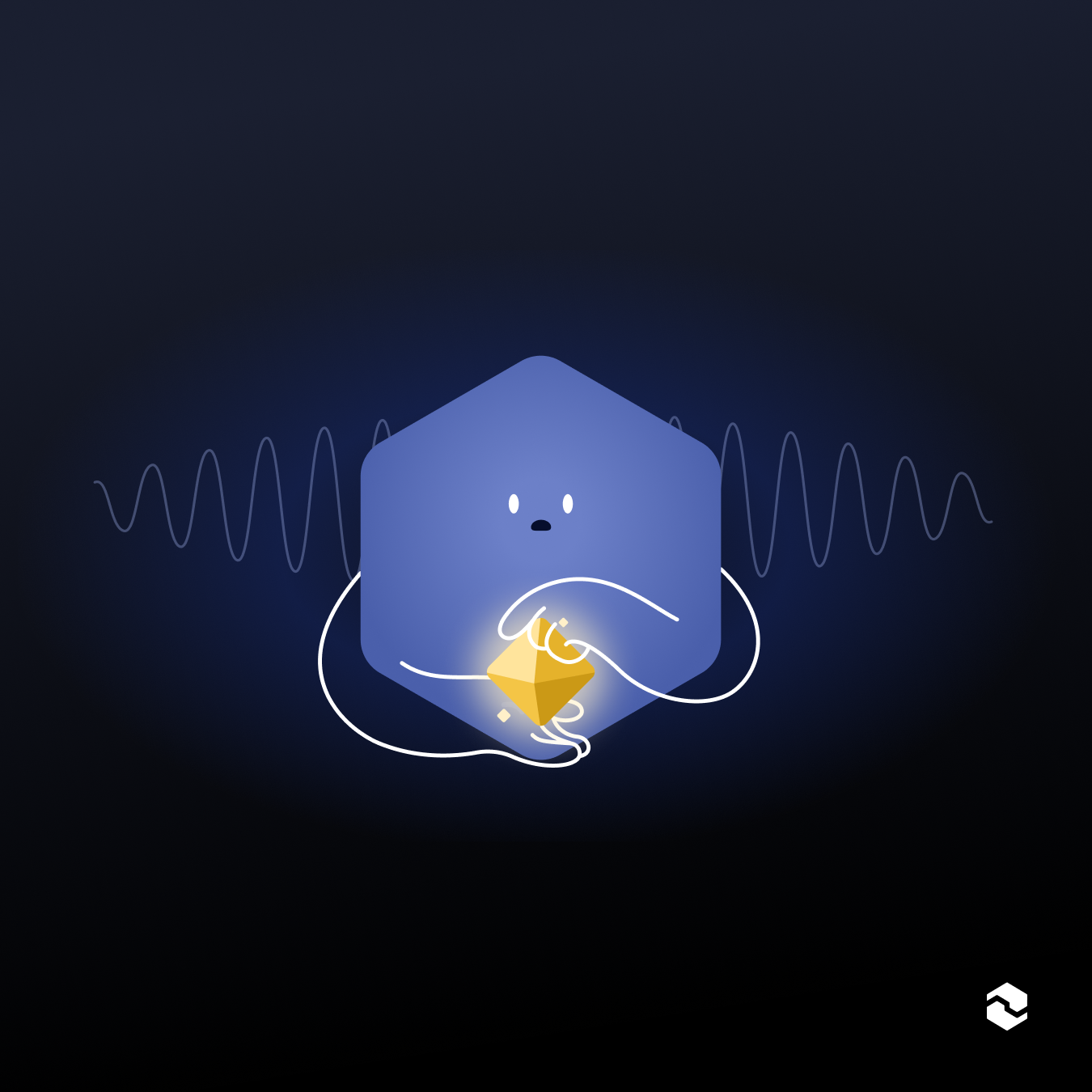
You have been on a third date. The conversation lasted four hours. Somewhere between the second round of drinks and an argument about whether cities make people lonely, you noticed something shift. You were no longer performing yourself for a stranger. You were being absorbed into someone else's way of seeing. The word for that feeling is not romance, exactly. It is an expansion. And it is rarer than we pretend.
In Bangalore, as in Berlin or Brooklyn, a generation of people who are more connected than any in history report feeling more difficulty forming lasting relationships. The infrastructure of modern connection has never been more sophisticated. The depth of what that infrastructure produces has never been more contested. Dating apps now mediate tens of millions of interactions daily. Swiping has become the dominant form of early romantic attention. Short-form intimacy, accelerated disclosure, and the perpetual awareness of alternatives have reshaped what people expect from the first weeks of knowing someone.
Discovery and absorption are different cognitive and relational processes. Discovery is fast, high-reward, and forward-looking. Absorption is slow, uncomfortable, and requires sustained exposure. The neuroscience of romantic love, led most rigorously by Arthur Aron and Elaine Aron's self-expansion model, identifies absorption as the mechanism through which another person actually changes who you are.The psychology of modern dating helps explain why so many people report feeling connected to more people than ever before while simultaneously struggling to build lasting emotional bonds.
Scientific foundations: What falling in love actually does to the brain
In 2005, a functional MRI study placed 17 people who described themselves as intensely in love inside a brain scanner. When participants viewed photographs of their romantic partners, activation was found in the right ventral tegmental area and right caudate nucleus [1]. These are dopamine-rich regions associated with mammalian reward and motivation. The caudate plays a role in goal representation, reward detection, and the integration of sensory information in preparation for action. What the scan showed was not sentiment. It was a motivational state.
The finding that romantic love recruits the dopaminergic reward system is now well-replicated. Another study found that individuals in long-term marriages who reported intense romantic love showed similar VTA and caudate activation to newly-in-love participants, alongside additional activity in regions associated with maternal attachment including the globus pallidus and anterior cingulate cortex [2]. Love, on this evidence, is not simply a feeling that decays. It is a motivational orientation that can persist, though its maintenance appears to require specific conditions.
What those conditions are is where the self-expansion model becomes essential. The model proposes that people have a fundamental motivation to expand the self by increasing their self-efficacy, perspectives, competence, and resources [3]. One primary means of achieving this is through close relationships, in which the partner's resources, perspectives, and identities are incorporated into the self. The self-expansion framework remains one of the most influential theories in the psychology of modern dating because it explains why relationships can fundamentally reshape identity.
The prospective evidence for what this process produces is striking. In two longitudinal studies tracking undergraduates across ten weeks, participants who fell in love showed greater change and increased diversity of self-concept domains, as well as increased self-efficacy and self-esteem compared to those who did not [4]. Partial correlation analyses indicated these effects were not attributable to mood change. The expansion itself was the mechanism. Falling in love made participants more capable versions of themselves not because love is magical, but because absorbing another person's world into your own enlarges the operational self.
The speed of discovery: Why novelty feels like depth
The early stage of any new relationship is, neurologically, an unusual period. The motivational pull of early love is partly a function of neural machinery being engaged at full intensity; novelty enhances reward-related responses in the striatum, particularly when actual reward probability is low [6]. Dating apps layer contextual novelty on top of a reward schedule that is inherently uncertain: most swipes do not lead to matches, and many matches do not lead to meetings.
The self-expansion model makes a specific prediction about this phase.Attraction is partly driven by the perceived total amount of self-expansion possible from a potential relationship, and the perceived probability that the expansion will actually occur [3]. Early encounters with someone new are saturated with expansion cues: new knowledge, different references, unfamiliar ways of framing familiar things. This is why meeting someone interesting feels, at its best, like your brain waking up. From the perspective of the psychology of modern dating, this intense feeling of novelty is often mistaken for genuine relational depth because both experiences activate overlapping reward pathways.
The problem is that the rapid self-expansion of early connection, what the literature describes as the resource acquisition phase, is distinct from the deeper incorporation that produces lasting self-concept change. Longitudinal data documented change in self-concept diversity and self-efficacy over weeks, not hours [4]. The process was absorptive and cumulative. It required sustained exposure. A single charged conversation, however exhilarating, is different from the slow acquisition of another person's world into your own.
The confusion between the two is not random. It is structurally encouraged. Dating apps are designed to generate the sensation of discovery repeatedly. Each new match offers the perceptual cue of potential expansion without the sustained exposure through which expansion actually occurs. Emerging research within dating app burnout science suggests that repeated cycles of anticipation, evaluation, and disappointment can leave users feeling emotionally depleted despite constant opportunities for connection.The experience is neurologically similar to the beginning of genuine self-expansion while being structurally incapable of producing it.
Sociologically, this confusion has a history. The acceleration of intimacy norms predates apps, though apps have intensified it. Scholars examining online dating have noted that self-disclosure online tends to be deeper and faster than in face-to-face contexts, creating a sense of knowing someone quickly that may not correspond to genuine familiarity [7].The feeling of depth is manufactured by the structure of the medium, not earned through sustained contact. This matters because it distorts the temporal expectations people bring to connection: if you feel you know someone after three conversations, the slow work of actually absorbing them seems unnecessary rather than essential.
The optionality problem: How endless choice forecloses commitment
The psychology here is less about moral failure than about how cognitive resources are allocated under conditions of high optionality. A2012 analysis of online dating, concluded that the massive pool of potential partners provided by online platforms may undermine romantic outcomes, partly because evaluating an unusually large number of profiles leads people to make evaluations in superficial, appearance-focused ways that are poor predictors of long-term compatibility [7]. When someone better is always possibly one swipe away, the investment of sustained attention in any single person becomes irrational within the app's own logic.
The cultural dimension here is not simply about app design. It is about what optionality has done to the phenomenology of commitment itself. Across urban contexts where dating apps have become dominant, ‘exploring’ has emerged as a category of relationship that scholars of digital intimacy have begun to examine [9]. Commitment, in this frame, is framed not as a growth condition but as a foreclosure of options. This tension between possibility and investment has become one of the defining concerns within the psychology of modern dating, particularly among younger urban daters.
The Infrastructure of shallowness:
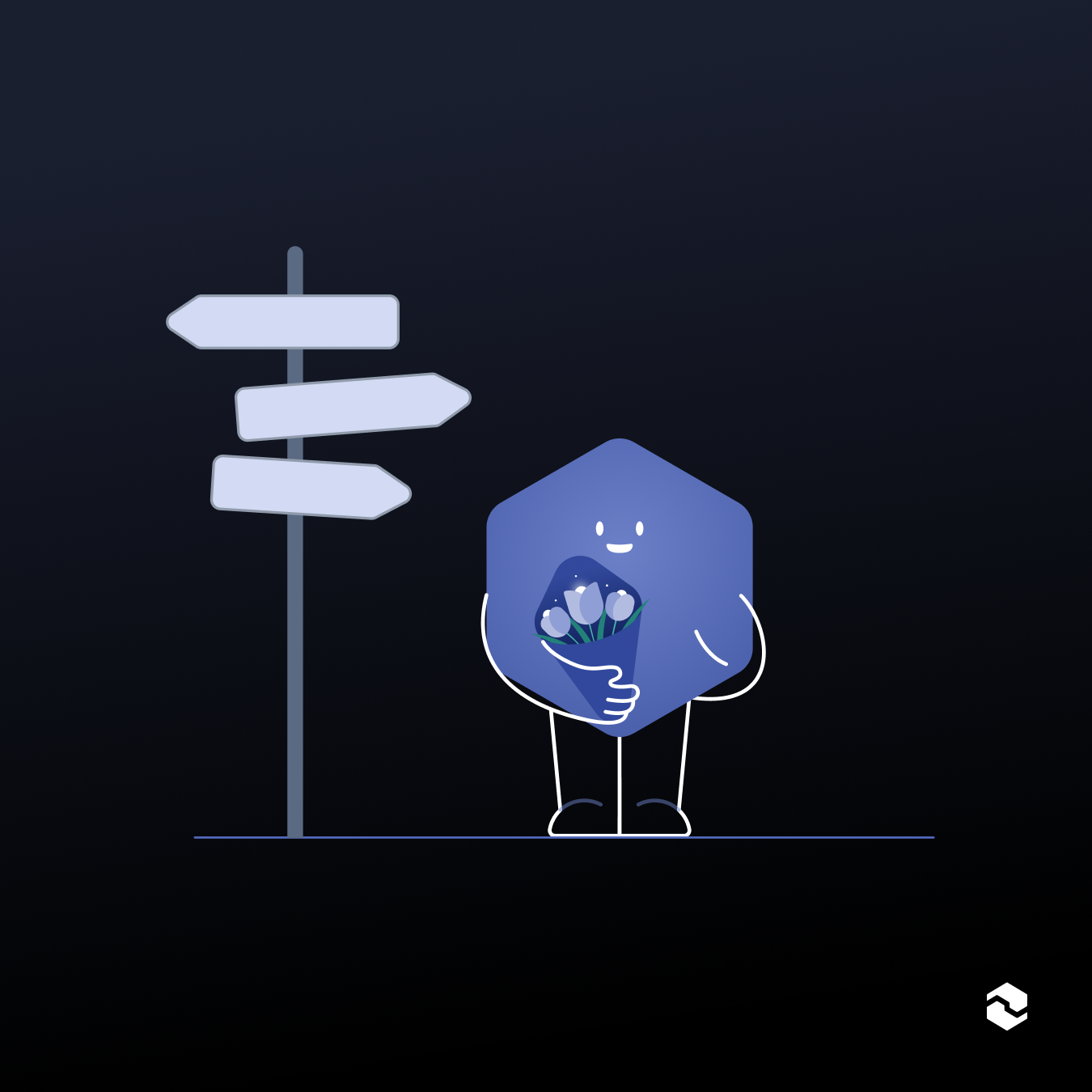
It is worth being precise about where the problem lives. The difficulty is not that people have become unwilling to commit or incapable of depth. The difficulty is that the platforms through which early romantic contact now flows are designed around engagement metrics, not relational outcomes. Datafication of intimacy describes how mobile dating platforms translate interactions into metrics, matches, messages, response times, that become objects of reflection and anxiety in their own right [13]. The infrastructure structurally favours discovery (more swiping, more data, more impressions) over depth.This pattern is increasingly examined through dating app burnout science, which studies how prolonged exposure to high-choice environments can contribute to decision fatigue and emotional exhaustion [8].
Bauman, writing about computer dating in Liquid Love, observed that it had transformed romance into a form of entertainment in which users could date securely in the knowledge they could always return to the marketplace [12]. This is not a metaphor. Dating apps are literally modelled on e-commerce interfaces, with profiles functioning as product listings and swipes as browsing behaviour. Hobbs, Owen, and Gerber's analysis of liquid love and dating apps argues that apps operationalise this through design choices that make potential partners abundant, searchable, and quickly replaceable, normalising a mode of relating in which connections are provisional and always subject to recalculation in light of new options [14].
This restructuring falls unevenly. Research on gender and dating apps has found that the design of swipe-based interfaces embeds existing gender dynamics into their architecture rather than dismantling them [15]. Women are disproportionately subjected to volume-based outreach and the emotional labour of filtering, patterns that qualitative and critical work on platform design has consistently documented. Women navigate heightened concerns about safety and reputational damage, while people in smaller towns or marginalised communities may find apps one of the few viable channels to meet partners at all. The same interface can function as a playground of discovery for some and a narrow, exhausting channel for others.
There is also a generational dimension. Among younger urban daters, the term 'situationship' has moved from subcultural slang to mainstream vocabulary to describe arrangements that deliberately refuse the conditions self-expansion requires: sustained exposure, lowered self-other boundaries, and mutual investment in each other's growth. The situationship is not simply ambiguous. It is, at the structural level, an arrangement optimised for discovery and not absorption.
What this means in practice:
The self-expansion research offers specific, actionable insights. Aron and Aron's model makes a concrete structural prediction: activities that are genuinely novel and challenging, not merely pleasant produce self-expansion effects. In laboratory studies, couples who engaged in obstacle courses and genuinely challenging novel tasks together showed increased relationship quality compared to couples who engaged in pleasant but familiar activities [3].The mechanism is expansion, not comfort.
Longitudinal data suggests that boredom should be treated as an early signal rather than a stable state [10]. The gap between year seven and year sixteen satisfaction was predicted by boredom at year seven. Addressing stagnation early by introducing genuine novelty into the shared life appears to alter the trajectory.
Research also suggests that the evaluative cognitive mode fostered by extensive app use is itself a variable worth managing. When self-expansion is manipulated experimentally, responses to attractive alternative partners change in predictable ways: higher expansion is associated with reduced interest in alternatives [11]. The evaluative frame of surface comparison is not automatically suspended when someone decides to invest in a particular relationship. Recognising that platforms are designed to maximise discovery rather than depth can help reframe individual experiences of frustration. Feelings of instability and replaceability are not solely personal failures; they are features of systems built to keep relationships flexible and users engaged.Insights from dating app burnout science further suggest that reducing exposure to continuous evaluation environments may help individuals re-engage with relationships more intentionally.
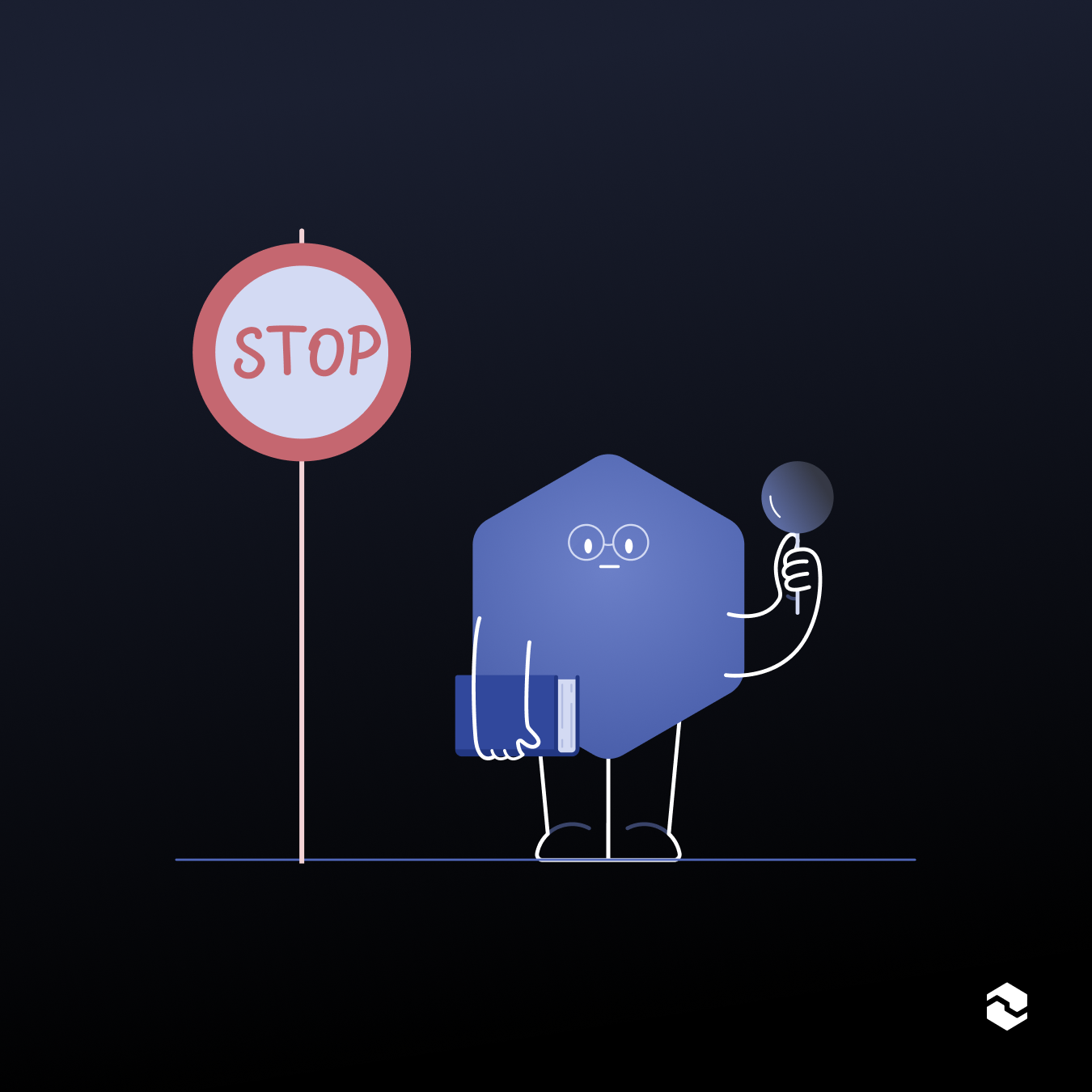
The self-concept changes that falling in love produced in studies accumulated over ten weeks of sustained contact 4]. Moving toward relationships that have room for absorption will therefore often require not just different individual choices, but negotiated boundaries with the infrastructures that currently mediate how we meet and evaluate each other. Depth is a time function. Nothing in the infrastructure of modern dating is designed to protect the time it requires.
There is a peculiar honesty in the self-expansion model. It does not claim that love is necessary for expansion. It claims that genuine absorption of another person's world into your own requires enough sustained exposure, and enough lowering of the self-other boundary, that their resources, perspectives, and identity begin to function as your own. That is what produces the self-concept change, the increased self-efficacy, the altered sense of who you are that forty years of research has documented.
The infrastructure we have built is extraordinarily good at generating the conditions that make expansion feel imminent. The novelty, the reward signal, the charged uncertainty of a new person. What it does not protect and what its designers have no incentive to protect is the time, stillness and sustained attention that absorption actually requires.
We have optimised dating for the feeling of possibility. The cost is that we have made it structurally harder for the slower, stranger work of absorption to complete. Commitment here is not a grand romantic gesture. It is the unglamorous decision to remain in one another's cognitive and neural neighbourhoods long enough for real expansion to occur.
The question worth considering is whether we have begun to mistake the beginning of expansion for expansion itself. The psychology of modern dating suggests that meaningful intimacy depends less on access to endless possibilities and more on sustained attention to a single unfolding connection. Discovery is the door. Absorption is what happens after you walk through it and decide to stay.
References:
[1] Fisher H, Aron A, Brown LL. Romantic love: An fMRI study of a neural mechanism for mate choice. J Comp Neurol. 2005;493(1):58–62.
[2] Acevedo BP, Aron A, Fisher HE, Brown LL. Neural correlates of long-term intense romantic love. Soc Cogn Affect Neurosci. 2012;7(2):145–159. https://doi.org/10.1093/scan/nsq092
[3] Aron A, Lewandowski GW, Branand B, Mashek D, Aron E. Self-expansion motivation and inclusion of others in self: An updated review. J Soc Pers Relat. 2022;39(12):3821–3859. https://doi.org/10.1177/02654075221110630
[4] Aron A, Paris M, Aron EN. Falling in love: Prospective studies of self-concept change. J Pers Soc Psychol. 1995;69(6):1102–1112. https://doi.org/10.1037/0022-3514.69.6.1102
[5] Eisenberger NI, Lieberman MD, Williams KD. Does rejection hurt? An fMRI study of social exclusion. Science. 2003;302(5643):290–292. https://doi.org/10.1126/science.1089134
[6] Guitart-Masip M, Bunzeck N, Stephan KE, Dolan RJ, Düzel E. Contextual novelty changes reward representations in the striatum. J Neurosci. 2010;30(5):1721–1726. https://doi.org/10.1523/JNEUROSCI.5331-09.2010
[7] Finkel EJ, Eastwick PW, Karney BR, Reis HT, Sprecher S. Online dating: A critical analysis from the perspective of psychological science. Psychol Sci Public Interest. 2012;13(1):3–66. https://doi.org/10.1177/1529100612436522
[8] Pronk TM, Denissen JAA. A rejection mindset: Choice overload in online dating. Soc Psychol Personal Sci. 2020;11(3):388–396. https://doi.org/10.1177/1948550619866189
[9] Duguay S, Burgess J. Dating apps: Towards post-romantic love in digital societies. Eur J Cult Stud. 2023;26(4). https://doi.org/10.1080/10286632.2022.2137157
[10] Tsapelas I, Aron A, Orbuch T. Marital boredom now predicts less satisfaction 9 years later. Psychol Sci. 2009;20(5):543–545. https://doi.org/10.1111/j.1467-9280.2009.02332.x
[11] Tsapelas I, Beckes L, Aron A. Manipulation of self-expansion alters responses to attractive alternative partners. Front Psychol. 2020;11:938. https://doi.org/10.3389/fpsyg.2020.00938
[12] Bauman Z. Liquid Love: On the Frailty of Human Bonds. Cambridge: Polity Press; 2003.
[13] De Ridder S. The datafication of intimacy: Mobile dating apps, dependency, and everyday life. Telev New Media. 2022;23(6):593–609. https://doi.org/10.1177/15274764211052660
[14] Hobbs M, Owen S, Gerber L. Liquid love? Dating apps, sex, relationships and the digital transformation of intimacy. J Sociol. 2017;53(2):271–284. https://doi.org/10.1177/1440783316662718
[15] Bivens R, Hoque AS. Forced empowerment and the paradox of mobile dating apps. Soc Media Soc. 2021;8(1):1–12.
About the author:
Sharvani is a bioinformatics graduate and neuroscience enthusiast passionate about understanding behavior, emotion, and connection. She enjoys exploring how science and technology influence modern relationships. In her free time, she loves watching films and reading. Connect with her on LinkedIn
We optimised dating for discovery and destroyed the conditions for depth
You have been on a third date. The conversation lasted four hours. Somewhere between the second round of drinks and an argument about whether cities make people lonely, you noticed something shift. You were no longer performing yourself for a stranger. You were being absorbed into someone else's way of seeing. The word for that feeling is not romance, exactly. It is an expansion. And it is rarer than we pretend.
In Bangalore, as in Berlin or Brooklyn, a generation of people who are more connected than any in history report feeling more difficulty forming lasting relationships. The infrastructure of modern connection has never been more sophisticated. The depth of what that infrastructure produces has never been more contested. Dating apps now mediate tens of millions of interactions daily. Swiping has become the dominant form of early romantic attention. Short-form intimacy, accelerated disclosure, and the perpetual awareness of alternatives have reshaped what people expect from the first weeks of knowing someone.
Discovery and absorption are different cognitive and relational processes. Discovery is fast, high-reward, and forward-looking. Absorption is slow, uncomfortable, and requires sustained exposure. The neuroscience of romantic love, led most rigorously by Arthur Aron and Elaine Aron's self-expansion model, identifies absorption as the mechanism through which another person actually changes who you are.The psychology of modern dating helps explain why so many people report feeling connected to more people than ever before while simultaneously struggling to build lasting emotional bonds.
Scientific foundations: What falling in love actually does to the brain
In 2005, a functional MRI study placed 17 people who described themselves as intensely in love inside a brain scanner. When participants viewed photographs of their romantic partners, activation was found in the right ventral tegmental area and right caudate nucleus [1]. These are dopamine-rich regions associated with mammalian reward and motivation. The caudate plays a role in goal representation, reward detection, and the integration of sensory information in preparation for action. What the scan showed was not sentiment. It was a motivational state.
The finding that romantic love recruits the dopaminergic reward system is now well-replicated. Another study found that individuals in long-term marriages who reported intense romantic love showed similar VTA and caudate activation to newly-in-love participants, alongside additional activity in regions associated with maternal attachment including the globus pallidus and anterior cingulate cortex [2]. Love, on this evidence, is not simply a feeling that decays. It is a motivational orientation that can persist, though its maintenance appears to require specific conditions.
What those conditions are is where the self-expansion model becomes essential. The model proposes that people have a fundamental motivation to expand the self by increasing their self-efficacy, perspectives, competence, and resources [3]. One primary means of achieving this is through close relationships, in which the partner's resources, perspectives, and identities are incorporated into the self. The self-expansion framework remains one of the most influential theories in the psychology of modern dating because it explains why relationships can fundamentally reshape identity.
The prospective evidence for what this process produces is striking. In two longitudinal studies tracking undergraduates across ten weeks, participants who fell in love showed greater change and increased diversity of self-concept domains, as well as increased self-efficacy and self-esteem compared to those who did not [4]. Partial correlation analyses indicated these effects were not attributable to mood change. The expansion itself was the mechanism. Falling in love made participants more capable versions of themselves not because love is magical, but because absorbing another person's world into your own enlarges the operational self.
The speed of discovery: Why novelty feels like depth
The early stage of any new relationship is, neurologically, an unusual period. The motivational pull of early love is partly a function of neural machinery being engaged at full intensity; novelty enhances reward-related responses in the striatum, particularly when actual reward probability is low [6]. Dating apps layer contextual novelty on top of a reward schedule that is inherently uncertain: most swipes do not lead to matches, and many matches do not lead to meetings.
The self-expansion model makes a specific prediction about this phase.Attraction is partly driven by the perceived total amount of self-expansion possible from a potential relationship, and the perceived probability that the expansion will actually occur [3]. Early encounters with someone new are saturated with expansion cues: new knowledge, different references, unfamiliar ways of framing familiar things. This is why meeting someone interesting feels, at its best, like your brain waking up. From the perspective of the psychology of modern dating, this intense feeling of novelty is often mistaken for genuine relational depth because both experiences activate overlapping reward pathways.
The problem is that the rapid self-expansion of early connection, what the literature describes as the resource acquisition phase, is distinct from the deeper incorporation that produces lasting self-concept change. Longitudinal data documented change in self-concept diversity and self-efficacy over weeks, not hours [4]. The process was absorptive and cumulative. It required sustained exposure. A single charged conversation, however exhilarating, is different from the slow acquisition of another person's world into your own.
The confusion between the two is not random. It is structurally encouraged. Dating apps are designed to generate the sensation of discovery repeatedly. Each new match offers the perceptual cue of potential expansion without the sustained exposure through which expansion actually occurs. Emerging research within dating app burnout science suggests that repeated cycles of anticipation, evaluation, and disappointment can leave users feeling emotionally depleted despite constant opportunities for connection.The experience is neurologically similar to the beginning of genuine self-expansion while being structurally incapable of producing it.
Sociologically, this confusion has a history. The acceleration of intimacy norms predates apps, though apps have intensified it. Scholars examining online dating have noted that self-disclosure online tends to be deeper and faster than in face-to-face contexts, creating a sense of knowing someone quickly that may not correspond to genuine familiarity [7].The feeling of depth is manufactured by the structure of the medium, not earned through sustained contact. This matters because it distorts the temporal expectations people bring to connection: if you feel you know someone after three conversations, the slow work of actually absorbing them seems unnecessary rather than essential.
The optionality problem: How endless choice forecloses commitment
The psychology here is less about moral failure than about how cognitive resources are allocated under conditions of high optionality. A2012 analysis of online dating, concluded that the massive pool of potential partners provided by online platforms may undermine romantic outcomes, partly because evaluating an unusually large number of profiles leads people to make evaluations in superficial, appearance-focused ways that are poor predictors of long-term compatibility [7]. When someone better is always possibly one swipe away, the investment of sustained attention in any single person becomes irrational within the app's own logic.
The cultural dimension here is not simply about app design. It is about what optionality has done to the phenomenology of commitment itself. Across urban contexts where dating apps have become dominant, ‘exploring’ has emerged as a category of relationship that scholars of digital intimacy have begun to examine [9]. Commitment, in this frame, is framed not as a growth condition but as a foreclosure of options. This tension between possibility and investment has become one of the defining concerns within the psychology of modern dating, particularly among younger urban daters.
The Infrastructure of shallowness:
It is worth being precise about where the problem lives. The difficulty is not that people have become unwilling to commit or incapable of depth. The difficulty is that the platforms through which early romantic contact now flows are designed around engagement metrics, not relational outcomes. Datafication of intimacy describes how mobile dating platforms translate interactions into metrics, matches, messages, response times, that become objects of reflection and anxiety in their own right [13]. The infrastructure structurally favours discovery (more swiping, more data, more impressions) over depth.This pattern is increasingly examined through dating app burnout science, which studies how prolonged exposure to high-choice environments can contribute to decision fatigue and emotional exhaustion [8].
Bauman, writing about computer dating in Liquid Love, observed that it had transformed romance into a form of entertainment in which users could date securely in the knowledge they could always return to the marketplace [12]. This is not a metaphor. Dating apps are literally modelled on e-commerce interfaces, with profiles functioning as product listings and swipes as browsing behaviour. Hobbs, Owen, and Gerber's analysis of liquid love and dating apps argues that apps operationalise this through design choices that make potential partners abundant, searchable, and quickly replaceable, normalising a mode of relating in which connections are provisional and always subject to recalculation in light of new options [14].
This restructuring falls unevenly. Research on gender and dating apps has found that the design of swipe-based interfaces embeds existing gender dynamics into their architecture rather than dismantling them [15]. Women are disproportionately subjected to volume-based outreach and the emotional labour of filtering, patterns that qualitative and critical work on platform design has consistently documented. Women navigate heightened concerns about safety and reputational damage, while people in smaller towns or marginalised communities may find apps one of the few viable channels to meet partners at all. The same interface can function as a playground of discovery for some and a narrow, exhausting channel for others.
There is also a generational dimension. Among younger urban daters, the term 'situationship' has moved from subcultural slang to mainstream vocabulary to describe arrangements that deliberately refuse the conditions self-expansion requires: sustained exposure, lowered self-other boundaries, and mutual investment in each other's growth. The situationship is not simply ambiguous. It is, at the structural level, an arrangement optimised for discovery and not absorption.
What this means in practice:
The self-expansion research offers specific, actionable insights. Aron and Aron's model makes a concrete structural prediction: activities that are genuinely novel and challenging, not merely pleasant produce self-expansion effects. In laboratory studies, couples who engaged in obstacle courses and genuinely challenging novel tasks together showed increased relationship quality compared to couples who engaged in pleasant but familiar activities [3].The mechanism is expansion, not comfort.
Longitudinal data suggests that boredom should be treated as an early signal rather than a stable state [10]. The gap between year seven and year sixteen satisfaction was predicted by boredom at year seven. Addressing stagnation early by introducing genuine novelty into the shared life appears to alter the trajectory.
Research also suggests that the evaluative cognitive mode fostered by extensive app use is itself a variable worth managing. When self-expansion is manipulated experimentally, responses to attractive alternative partners change in predictable ways: higher expansion is associated with reduced interest in alternatives [11]. The evaluative frame of surface comparison is not automatically suspended when someone decides to invest in a particular relationship. Recognising that platforms are designed to maximise discovery rather than depth can help reframe individual experiences of frustration. Feelings of instability and replaceability are not solely personal failures; they are features of systems built to keep relationships flexible and users engaged.Insights from dating app burnout science further suggest that reducing exposure to continuous evaluation environments may help individuals re-engage with relationships more intentionally.
The self-concept changes that falling in love produced in studies accumulated over ten weeks of sustained contact 4]. Moving toward relationships that have room for absorption will therefore often require not just different individual choices, but negotiated boundaries with the infrastructures that currently mediate how we meet and evaluate each other. Depth is a time function. Nothing in the infrastructure of modern dating is designed to protect the time it requires.
There is a peculiar honesty in the self-expansion model. It does not claim that love is necessary for expansion. It claims that genuine absorption of another person's world into your own requires enough sustained exposure, and enough lowering of the self-other boundary, that their resources, perspectives, and identity begin to function as your own. That is what produces the self-concept change, the increased self-efficacy, the altered sense of who you are that forty years of research has documented.
The infrastructure we have built is extraordinarily good at generating the conditions that make expansion feel imminent. The novelty, the reward signal, the charged uncertainty of a new person. What it does not protect and what its designers have no incentive to protect is the time, stillness and sustained attention that absorption actually requires.
We have optimised dating for the feeling of possibility. The cost is that we have made it structurally harder for the slower, stranger work of absorption to complete. Commitment here is not a grand romantic gesture. It is the unglamorous decision to remain in one another's cognitive and neural neighbourhoods long enough for real expansion to occur.
The question worth considering is whether we have begun to mistake the beginning of expansion for expansion itself. The psychology of modern dating suggests that meaningful intimacy depends less on access to endless possibilities and more on sustained attention to a single unfolding connection. Discovery is the door. Absorption is what happens after you walk through it and decide to stay.
References:
[1] Fisher H, Aron A, Brown LL. Romantic love: An fMRI study of a neural mechanism for mate choice. J Comp Neurol. 2005;493(1):58–62.
[2] Acevedo BP, Aron A, Fisher HE, Brown LL. Neural correlates of long-term intense romantic love. Soc Cogn Affect Neurosci. 2012;7(2):145–159. https://doi.org/10.1093/scan/nsq092
[3] Aron A, Lewandowski GW, Branand B, Mashek D, Aron E. Self-expansion motivation and inclusion of others in self: An updated review. J Soc Pers Relat. 2022;39(12):3821–3859. https://doi.org/10.1177/02654075221110630
[4] Aron A, Paris M, Aron EN. Falling in love: Prospective studies of self-concept change. J Pers Soc Psychol. 1995;69(6):1102–1112. https://doi.org/10.1037/0022-3514.69.6.1102
[5] Eisenberger NI, Lieberman MD, Williams KD. Does rejection hurt? An fMRI study of social exclusion. Science. 2003;302(5643):290–292. https://doi.org/10.1126/science.1089134
[6] Guitart-Masip M, Bunzeck N, Stephan KE, Dolan RJ, Düzel E. Contextual novelty changes reward representations in the striatum. J Neurosci. 2010;30(5):1721–1726. https://doi.org/10.1523/JNEUROSCI.5331-09.2010
[7] Finkel EJ, Eastwick PW, Karney BR, Reis HT, Sprecher S. Online dating: A critical analysis from the perspective of psychological science. Psychol Sci Public Interest. 2012;13(1):3–66. https://doi.org/10.1177/1529100612436522
[8] Pronk TM, Denissen JAA. A rejection mindset: Choice overload in online dating. Soc Psychol Personal Sci. 2020;11(3):388–396. https://doi.org/10.1177/1948550619866189
[9] Duguay S, Burgess J. Dating apps: Towards post-romantic love in digital societies. Eur J Cult Stud. 2023;26(4). https://doi.org/10.1080/10286632.2022.2137157
[10] Tsapelas I, Aron A, Orbuch T. Marital boredom now predicts less satisfaction 9 years later. Psychol Sci. 2009;20(5):543–545. https://doi.org/10.1111/j.1467-9280.2009.02332.x
[11] Tsapelas I, Beckes L, Aron A. Manipulation of self-expansion alters responses to attractive alternative partners. Front Psychol. 2020;11:938. https://doi.org/10.3389/fpsyg.2020.00938
[12] Bauman Z. Liquid Love: On the Frailty of Human Bonds. Cambridge: Polity Press; 2003.
[13] De Ridder S. The datafication of intimacy: Mobile dating apps, dependency, and everyday life. Telev New Media. 2022;23(6):593–609. https://doi.org/10.1177/15274764211052660
[14] Hobbs M, Owen S, Gerber L. Liquid love? Dating apps, sex, relationships and the digital transformation of intimacy. J Sociol. 2017;53(2):271–284. https://doi.org/10.1177/1440783316662718
[15] Bivens R, Hoque AS. Forced empowerment and the paradox of mobile dating apps. Soc Media Soc. 2021;8(1):1–12.
About the author:
Sharvani is a bioinformatics graduate and neuroscience enthusiast passionate about understanding behavior, emotion, and connection. She enjoys exploring how science and technology influence modern relationships. In her free time, she loves watching films and reading. Connect with her on LinkedIn

Your privacy matters most.
- We will never share your data with any third parties. Vlncy will always be an ad-free platform.
- We will use your anonymised data only to improve the platform, in our efforts to serve you better.
- We do not store/ own any of your content on our servers.
- Upon account deletion, we will purge all your personal data.
- We will never reveal your identity on the platform. Only you decide when, how and with whom your information is shared.


